
Correct Check Valve Height for Sump Pump Installation
The correct height to install a check valve on a residential sump pump is 6 to 12 inches above the pump outlet on the vertical discharge pipe. This... Read More

Same-Day Service Available
Need a Plumber in Knoxville? We’re Ready to Help!




Last Updated: November 5, 2026
A repipe decision goes better when it starts from what is actually in the walls, since a home’s build year does not settle the condition of its piping. Spot repair, partial repipe and whole-house repipe solve different problems, and the right scope depends on inspection findings rather than on age alone.
Farragut addresses go through the Town of Farragut codes office, while Bearden sits inside Knoxville city limits and generally goes through City of Knoxville Plans Review and Inspections. Late fall leaves time to plan around water shutoffs, holiday schedules and the winter freezes that follow.
This article is general information, not legal advice. For your own situation, check with the codes office that covers your address.
Bearden and Farragut both sit along Kingston Pike, yet their houses tend to come from different chapters of local history. Bearden grew with postwar subdivisions such as Westwood, Forest Heights and Highland Hills, and the Knoxville History Project records that the City of Knoxville annexed it in 1962. Farragut was incorporated on January 16, 1980, and the Town’s own history notes that controls on zoning and building codes have been important to it from the start.
Different decades can mean different piping behind the drywall. That is a general observation, and it says nothing certain about any single house. A 1950s Bearden ranch may have had its supply lines replaced years ago, and a Farragut home from the 1990s can have problems of its own.
Two earlier articles cover the background. One looks at why Farragut’s newer subdivisions see different plumbing problems than older Knox County homes, and another explains how galvanized supply lines in Bearden’s 1950s homes tend to fail.
What the two areas share is the planning. A repipe touches walls, water service, household routines and permits, and late fall gives many families room to work through those questions before holiday guests and the hard freezes of winter arrive.
Late fall can work well for repipe planning because it sits between summer schedules and deep winter. Crawl spaces and attics are still workable, and households can line up estimates and permits before holiday hosting puts extra demand on bathrooms and kitchens.
National Weather Service climate normals for Knoxville McGhee Tyson Airport put the median first fall freeze, at 32 degrees, on November 2, based on 1991 to 2020 data. The same table shows about a nine in ten chance that the first freeze has arrived by November 15. Those are long-term averages for one station, so they work as a planning guide rather than a forecast.
In many homes, supply piping runs through a crawl space, a basement ceiling or an attic. Those spaces are easier to inspect and work in when temperatures are mild. A cold snap during a project can also make a planned water shutoff less comfortable for the household, which is one more reason some homeowners prefer to plan early in the cold season.
A repipe usually involves periods when water to the house, or to part of it, is off. Thanksgiving falls on Thursday, November 26, 2026, according to the federal holiday schedule. Many households would rather schedule those periods around travel, visiting family and school calendars than discover a conflict later.
Some repipes start with a burst pipe or a ceiling stain. Others start with a homeowner who has seen a pattern, such as repeated small leaks or falling pressure, and wants to decide calmly. The second path usually leaves more room for comparing estimates, reading permit requirements and choosing materials without pressure from an active leak.
Repipe scope comes in three broad sizes. A spot repair fixes one failure, a partial repipe replaces one section of the system, and a whole-house repipe replaces the supply piping throughout the home. The right size depends on what an inspection finds, not on the age of the house or the neighborhood it sits in.

A single pinhole leak, a failed fitting or a damaged section after a freeze can often be repaired on its own. Where the surrounding pipe is in reasonable shape, a spot repair can be the sensible answer. The useful question is whether the failure looks isolated or looks like one example of a wider pattern.
Some homes have mixed piping. An addition, an earlier remodel or a past repair can leave one bathroom or one run in newer material while the rest stays original. In that situation, replacing only the older section can be a reasonable middle path, provided the transition points between old and new material are evaluated with care.
A whole-house repipe generally means new supply lines from the point where water enters the house out to the fixtures. Whether the job also includes the water heater connections, shutoff valves at each fixture, or the exterior service line depends on the estimate. Those boundaries are worth reading line by line, and the whole-house water repipe service page describes the service category in general terms.
A few questions tend to sharpen any estimate. What piping is in the house now and how was that confirmed, and is the recommendation repair, partial or full replacement and why? Which walls and ceilings are likely to be opened, who handles patching, and who applies for the permit?
Clear written answers make estimates easier to compare side by side. The table below sums up how the three scopes differ.
| Scope | What it generally addresses | What often points toward it | Planning question |
|---|---|---|---|
| Spot repair | One leak, fitting or damaged section | A single failure with sound pipe around it | Does the failure look isolated? |
| Partial repipe | One branch, one bathroom or one run | Mixed materials, or problems confined to one area | How are the old and new sections joined? |
| Whole-house repipe | Supply piping throughout the home | Repeated failures in different areas, confirmed by inspection | Where does the scope start and stop? |
| No work yet | Monitoring a system with no confirmed problem | Age alone, with no symptoms or findings | What would change the decision later? |
Farragut and Bearden use different permit offices. The Town of Farragut runs its own Building and Fire Codes Division, and its permit handout states that plumbing piping alterations or replacements require a permit and inspections. Bearden lies inside Knoxville city limits, so permits there generally go through City of Knoxville Plans Review and Inspections.
The Town’s handout on when permits are required states, “All new installations or plumbing piping alterations or replacements require a permit and inspections.” The division is at 11408 Municipal Center Drive and can be reached at 865-966-7057. Details are on the Town of Farragut Building and Fire Codes page, which also notes that inspections are requested through the Town’s online permitting system.
Bearden was annexed by the City of Knoxville in 1962, so a Bearden address is generally a city address for permit purposes. “Bearden” is an informal area name, though, so the safer step is confirming by address with City of Knoxville Plans Review and Inspections. For a wider look at city permits, see what Knoxville homeowners should know about plumbing permits.
The Town of Farragut’s adopted code page lists the 2018 International Codes, in effect since August 5, 2019. The City of Knoxville’s current codes page lists the 2024 International Residential Code and the 2024 International Plumbing Code. Each office applies the editions it has adopted, so the office that covers the address is the one to follow.
The Town’s permit handout reproduces the code exemption for stopping leaks. It then adds that when concealed piping becomes defective and has to be removed and replaced with new material, “such work shall be considered as new work and a permit shall be obtained.” That line explains why a repipe is treated differently from a patch.
Who applies for the permit is worth settling in writing. The Town of Farragut requires plumbing contractors working there to be licensed and to obtain permits, and its Board of Plumbing and Gas/Mechanical Examiners reviews the applications. Homeowners comparing a plumbing company serving Farragut or Bearden can ask who pulls the permit and put the answer in the written estimate.
Many families stay in the home during a repipe, but the experience depends on scope, layout and access. Water service is off at times, some walls and ceilings are opened, and the code keeps new piping from being covered until it has been tested and inspected. That affects when patching and painting can begin.

Asking for a rough shutoff schedule in advance helps a household plan showers, laundry and meals. Some projects keep part of the house in service while another section is worked on, and others involve longer whole-house shutoffs. Which approach applies depends on how the existing system is laid out.
The 2018 residential code, the edition the Town of Farragut lists, states that a plumbing system “shall not be covered, concealed or put into use until it has been tested, inspected and approved by the building official.” It also calls for the water supply system to be tested and proved tight. In practice, openings in drywall often stay open until the inspection is complete, so drywall repair and paint come afterward.
Clearing space near walls, under sinks and at the crawl space entrance makes access easier. Families with pets, home offices or someone who naps during the day often plan around the noisier stages. Asking which rooms are likely to be affected, and in what order, turns a vague disruption into something the household can schedule.
Material choice is the other decision that benefits from time. PEX and copper each carry tradeoffs in installation, availability and how each suits a particular house. Settling the material early keeps the estimate and the permit consistent with what goes into the walls.
Tennessee Standard Plumbing offers whole-house water repipe service for homes across Knoxville and Knox County. Households that want to talk through scope, permits and timing before deciding can call (865) 352-9003. A short list of which fixtures or walls have shown problems, and since when, is useful to have ready.
Local details for Town addresses are on our Farragut plumbing page. Anyone who prefers to schedule online can book an appointment online. We serve Knoxville, Powell, Halls Crossroads, Farragut, Karns and nearby communities across Knox County.
Often, yes. Crawl spaces and attics are still workable, and National Weather Service normals for Knoxville McGhee Tyson Airport put the median first fall freeze at November 2. Late fall also leaves room to schedule water shutoffs around holiday plans.
No. Age alone does not show what is in the walls, and many older homes have had some or all of their supply piping replaced over the years. The decision generally rests on what an inspection finds and whether problems are isolated or spread across the house.
A partial repipe replaces one section, such as a single bathroom, branch or run. A whole-house repipe replaces the supply piping throughout the home. Partial work can fit homes with mixed materials or problems confined to one area.
Generally, yes. The Town of Farragut permit handout states that all new installations or plumbing piping alterations or replacements require a permit and inspections. The Town codes office at 865-966-7057 can confirm the details for a specific address.
City of Knoxville Plans Review and Inspections generally handles Bearden, since the area was annexed by the city in 1962. Because Bearden is an informal area name, confirming the specific address with the office is the safer step.
Many families do. The experience depends on the scope, the layout and how water service is sequenced, so asking for a shutoff schedule and a list of affected rooms in advance helps a household plan.
The 2018 residential code states that a plumbing system shall not be covered or concealed until it has been tested, inspected and approved by the building official. Openings often stay open until that inspection is complete, and drywall repair follows.
It varies by project. House size, the number of fixtures, access through crawl spaces or attics, material choice and inspection scheduling all change the timeline. A written estimate can state the expected schedule for that specific home.
Scope drives most of it. The number of fixtures, the square footage, how much wall and ceiling access is needed, the pipe material, permit fees and patching all play a part, so estimates vary by project and are easier to compare in writing.
That is usually the smoother path. Settling on PEX, copper or another approved material early keeps the estimate, the permit application and the work consistent with one another.


The correct height to install a check valve on a residential sump pump is 6 to 12 inches above the pump outlet on the vertical discharge pipe. This... Read More
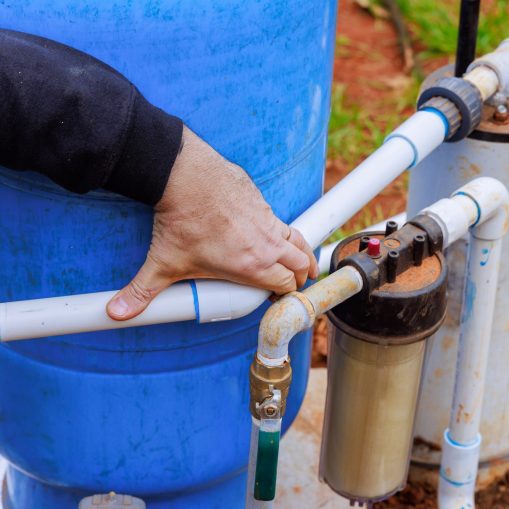
A bad pressure tank leads to air in your plumbing system primarily because of a broken air bladder, which causes the tank to become "waterlogged". ... Read More
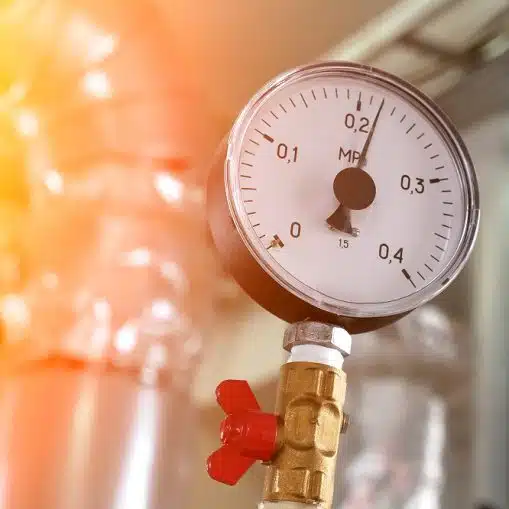
High water pressure, commonly exceeding 80 PSI, acts as a constant, destructive force that accelerates wear and tear on plumbing systems in Knoxvil... Read More