
Cast Iron Drain Stack Lifespan in North Knoxville’s Pre-1970 Housing Stock
Key Takeaways Cast iron drain, waste, and vent piping corrodes from the inside, so a stack can look solid from the basement while the bottom o... Read More

Same-Day Service Available
Need a Plumber in Knoxville? We’re Ready to Help!




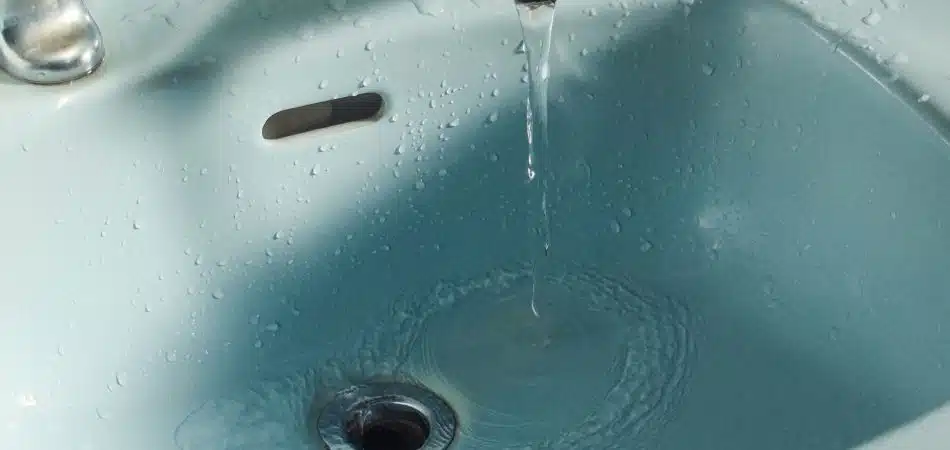
Slow drains in newer Knoxville homes (typically post-1985 with PVC plumbing) usually have a single cause: a localized clog from hair, soap, or food. Slow drains in older Knoxville homes (pre-1980 with cast iron or clay) usually have multiple compounding causes: interior pipe scaling, partial joint separations, sagging line sections, and decades of accumulated buildup that no single clearing addresses. This means slow drains in older homes often need a different diagnostic and repair approach than newer construction. Treating an older home’s slow drain as if it were a newer home problem usually leads to repeat service calls within months.
A slow drain in a newer Knoxville home and a slow drain in an older Knoxville home look the same from the homeowner’s perspective. The water just does not go down as it should. What is causing the slow drain, and what fixes it, can be completely different depending on the home’s age and plumbing. The team behind Tennessee Standard Plumbing in Knoxville handles slow-drain calls across Knox County, and the diagnostic patterns split clearly along home age lines.
This guide covers why older Knoxville homes have different slow-drain causes than newer construction, what to look for in each case, and when drain repair services need to address structural issues rather than just clearing the line.
Newer Knoxville homes (built after 1985 with modern PVC plumbing) typically have slow drains for one of three reasons. Each is straightforward to diagnose and fix, usually in a single service visit, without recurring issues.
The most common cause in newer homes is a localized clog at or near the trap of the affected fixture. Hair in bathroom drains, food in kitchen drains, and soap residue in tub drains. The clog is in one specific location, and snaking the line removes it. The drain returns to normal flow and stays that way for months or years.
Newer PVC plumbing tolerates routine use well but still has limits. Slow drains in newer homes often trace back to specific habits like pouring grease down the kitchen drain or flushing items that should not be flushed. Once the immediate clog is cleared and the habit changes, the drain stays clear.
In newer homes, slow drains typically affect one fixture rather than multiple drains throughout the home. The localized nature of the problem confirms that the issue is at or near that specific fixture rather than in the broader sewer line.
Older Knoxville homes (built before 1980 with cast iron, galvanized steel, or clay tile plumbing) have a different set of slow-drain causes. Most of these causes compound over time, which means a slow drain in an older home usually has multiple contributors rather than a single localized clog.
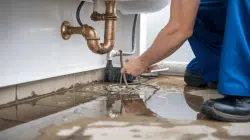 Cast iron drain pipes scale internally over decades, building up a rough layer that narrows the effective pipe diameter and catches every piece of debris that passes through. By the time the home is 40 to 60 years old, the scaling alone can reduce a 4-inch line to a 3-inch effective diameter. Snaking punches through the immediate clog but leaves the scaling, so the next clog forms quickly.
Older pipe materials (especially clay tile and cast iron) develop joint separations as the ground settles and pipes shift over decades. Partial separations slow the flow and catch debris at the separation point. The pattern often resembles a slow drain that snakes clear briefly but returns quickly. For a broader context on how pipe shifting affects drainage, signs that drain pipes are improperly sloped cover a related diagnostic pattern.
Older sewer lines often develop bellies (sagging sections) as the surrounding soil shifts over decades. Waste collects in the belly instead of flowing through, which slows drainage and creates a chronic recurrence point. Bellies do not respond to cleaning; they need to be addressed structurally.
Older Knoxville homes often have mature trees near the sewer line, and the aging clay or cast iron is vulnerable to root intrusion at joints. Roots enter, grow inside the line, and catch waste passing through. Mechanical root cutting clears temporarily, but the entry points remain, so regrowth follows.
In older homes, slow drains often affect multiple fixtures at once because the underlying issue is in the main sewer line rather than at individual fixture traps. When the upstairs shower, kitchen sink, and basement floor drain all run slowly, the issue is downstream of all of them in the main line.
A snake-and-clear approach works well for newer home slow drains because the cause is usually a single localized clog. The same approach in older homes often fails because the cleared “clog” was just the most obvious symptom of broader pipe condition issues. The drain runs clear briefly and then slows again as the next debris catches on the scale, joint separation, or belly that the snake did not address.
When an older home has a slow drain, snaking opens up enough flow to clear the immediate symptom. But the scaled pipe walls, the joint where roots are entering, the belly that traps waste, and the deteriorated pipe sections are all still there. New debris catches almost immediately, and the drain slows again within weeks or months. Each repeat call costs money without solving the underlying problem.
A camera inspection in an older Knoxville home almost always reveals multiple findings rather than a single clog. Knowing what is actually inside the pipe lets the homeowner make informed decisions about whether cleaning, hydro jetting, spot repair, trenchless lining, or full replacement is the right next step. Skipping the inspection on an older home leads to repeat clearings that buy time but never solve the cause.
Hydro jetting at appropriate pressure removes scale from pipe walls, scours away grease and biofilm buildup, and can address minor root intrusion in ways that snaking cannot. For older homes with buildup-driven slow drains, jetting is often the right cleaning method rather than snaking. For structural issues, jetting is still temporary unless paired with the right repair.
Many slow drains in older Knoxville homes eventually need more than cleaning. Recognizing when structural repair is the right call avoids the cycle of repeated cleanings that never solve the problem and saves money over time compared to the alternative.
When the same drain runs slowly again within weeks or months of being cleared, the cause is not just a clog. The pattern points to scaling, separation, a belly, or other structural contributors that cleaning does not address. Camera inspection confirms what is actually happening.
When several drains in the home run slowly at the same time, the issue is in the main line downstream of the individual fixtures. Older homes with multiple slow drains usually have main line problems that need diagnostic camera inspection and often structural repair.
Homes with original cast iron, clay tile, or Orangeburg pipe that are 60+ years old are usually approaching or past the end of service life, regardless of any specific clog. Slow drains in these homes are often signs that the pipe condition is finally catching up with the homeowner. Trenchless lining or replacement makes more sense at that point than repeat cleanings.
Sinkholes or wet spots in the yard above the sewer line, gurgling sounds from drains, sewer odors, or water backing up into the lowest drain in the home all indicate the slow drain is part of a larger pattern that needs structural attention rather than just clearing.
Slow drains in Knoxville homes need a diagnosis matched to the home’s age and plumbing. Newer homes usually respond to straightforward cleaning. Older homes often need camera inspection to reveal the full picture and structural repair to address what cleaning cannot. Treating older home slow drains as if they were newer home problems leads to repeat calls and frustrated homeowners. The right diagnostic approach saves money and actually solves the problem.
Tennessee Standard Plumbing handles drain cleaning, hydro jetting, camera inspections, trenchless lining, and full sewer line repairs across Knoxville and Knox County, with the right approach matched to what the specific home needs.
Call (865) 352-9003 or schedule a drain inspection to get started.
Older homes typically have multiple compounding causes for slow drains: interior pipe scaling, joint separations, sagging line sections, and decades of buildup. Snaking clears the immediate symptom but does not address the underlying conditions, so the drain slows again quickly.
Yes. Newer Knoxville homes (post-1985 with PVC plumbing) usually have slow drains from a single localized clog. Older homes (pre-1980 with cast iron or clay) usually have structural and accumulated buildup causes that need a different approach.
Yes, especially if the slow drain has returned after being cleared or if multiple drains are affected. Camera inspection reveals what is actually inside the line and points to whether cleaning, structural repair, or replacement is the right next step.
Snaking works well for single localized clogs in structurally sound pipes (typical in newer homes). Snaking does not address scaling, joint separation, bellies, or other structural issues common in older home plumbing, so it provides only temporary relief in those cases.
Hydro jetting helps when the slow drain is caused by buildup on pipe walls (scale, grease, biofilm) rather than a single clog. Jetting scours pipe walls clean in ways snaking cannot. For older homes with accumulated buildup, jetting is often the better cleaning choice.
When multiple drains slow simultaneously, the issue is in the main sewer line downstream of all the individual fixtures rather than at any single fixture. This needs a camera inspection to identify the specific main line problem.
Bellies cannot be fixed by cleaning. They need to be excavated and repositioned, or the affected pipe section needs to be replaced. The repair is more involved than cleaning, but it is the only way to permanently solve a belly-related slow drain.


Key Takeaways Cast iron drain, waste, and vent piping corrodes from the inside, so a stack can look solid from the basement while the bottom o... Read More
To address and prevent plumbing leaks, small leaks can be temporarily managed using sealants such as epoxy putty or self-fusing silicone tape, appl... Read More

Winterizing a backflow preventer in Knoxville means shutting off the water, draining the system, opening test cocks, setting valves at 45°, and ins... Read More