
Get Relief from Your Plumbing Problems with Tennessee Standard – Best Knoxville Plumber
[company_name] is a licensed plumbing contractor in Knoxville, TN. We provide high-quality plumbing and repair services to the residents of the gre... Read More

Same-Day Service Available
Need a Plumber in Knoxville? We’re Ready to Help!




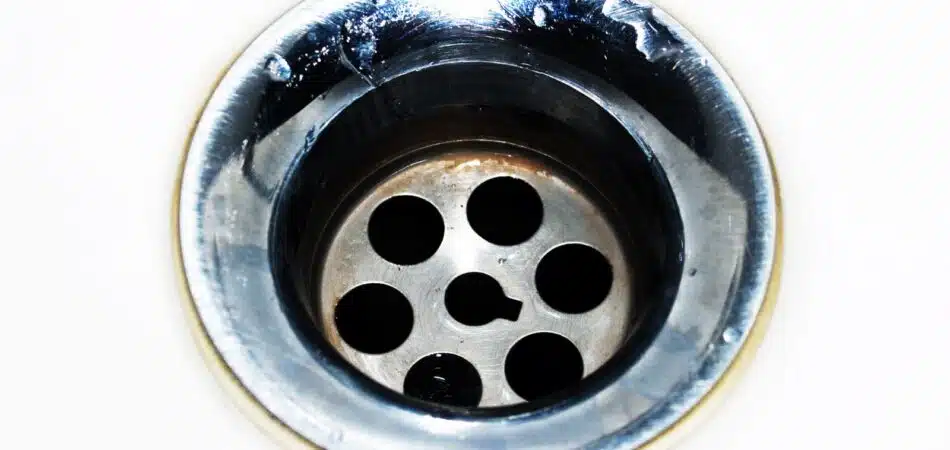
A plumbing vent stack lets air enter and leave the drain system so that flowing water does not pull or push the water seal out of fixture traps. When venting is blocked, missing or too far from a fixture, drains can gurgle, run slowly, or lose their trap seal and let sewer odor into the house. Partial clogs cause similar symptoms, so the cause is worth confirming before any pipe is changed. Fixes range from clearing a blocked vent to adding a vent or, where the code allows, an air admittance valve.
The toilet flushes, and a second later the bathtub down the hall answers with a low, hollow gurgle.
Many households stop noticing it after a while. The tub drains fine, nothing backs up, and the sound fades once the toilet refills. In a house that has been lived in for decades, it can seem like one more quirk of an older home.
That sound is often air moving through a place it was not meant to. A drain system is designed to breathe through vent piping that runs up and out through the roof. When that path struggles, the moving water can draw air through the nearest trap instead, and the tub is simply the closest one.
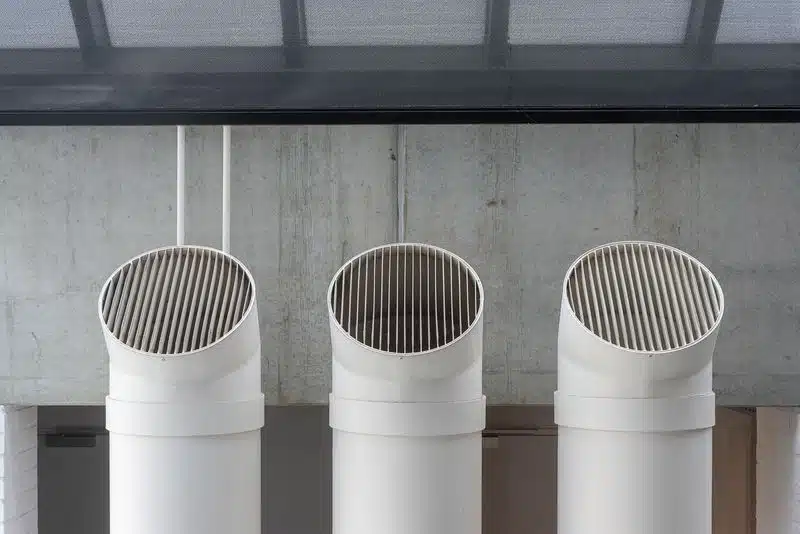
Each plumbing fixture drains through a trap, a curved section of pipe that holds a small plug of water to block sewer gas. The vent system lets air flow in and out of the drain piping so draining water cannot suck or push that water plug out. Without adequate venting, trap seals can be siphoned or disturbed.
The residential code calls for each fixture trap seal to hold between 2 and 4 inches of water. That small column is all that separates the room from the sewer. EPA indoor air guidance written for school buildings notes that hydrogen sulfide in sewer gas can, in sufficient concentrations, irritate the eyes, nose and throat, which is part of why the seal matters beyond the smell.
Section P3101.2 of the 2018 residential code describes the job directly: vent piping is to “allow the admission or emission of air so that the liquid seal of any fixture trap shall not be subjected to a pressure differential of more than 1 inch of water column.” Section P3201.3 adds that trap seals are to be protected from siphonage, aspiration or back pressure by an approved system of venting.
A vent stack is a vertical vent pipe, generally carried up through the roof. The code calls for each building drain to have at least one vent pipe that extends outdoors. Individual fixtures and groups of fixtures connect to that system through individual vents, common vents, branch vents and, in some bathroom layouts, a wet vent, where a drain pipe also serves as the vent for nearby fixtures.
The code limits how far a fixture trap can sit from its vent connection. Table P3105.1 in the 2018 edition allows, for example, 6 feet for a 1 1/2-inch trap and 8 feet for a 2-inch trap at a quarter inch of slope per foot, while toilets are not limited. Where those distances cannot be met without major changes, rerouting drain and vent piping is one option, and the scope of that work is described on the drain repiping services page.
Venting problems tend to show up as sounds, smells and slow drainage rather than leaks. Typical clues include gurgling at one fixture when another drains, sewer odor near a sink or tub, and traps that appear to lose water. A partial clog downstream can produce the same symptoms, so confirming the cause comes first.
When a toilet or tub empties quickly, the moving water can create suction in the drain line. If the vent cannot supply air fast enough, the system pulls it through the nearest trap, which produces the gurgle. Repeated gurgling can also draw down the water in that trap over time.
A trap that has been siphoned, or one that has dried out from disuse, leaves an open path for sewer gas. EPA guidance for school buildings notes that standard traps can dry out and let sewer gases in. A guest bathroom or basement floor drain that rarely gets used is a common place to check first.
A drain that empties slowly with a glugging sound may be struggling for air, or it may be partly blocked. Venting and clogs can look alike from the sink. Homeowners comparing residential plumbers serving Knoxville can ask how a given symptom gets diagnosed before any pipe is replaced.
A blockage in a branch line or the main drain restricts air movement as well as water, and it can produce gurgling at fixtures some distance away. Drain cleaning, and a camera inspection where the line is accessible, can separate a clog from a venting fault. If the symptoms return after a clean line is confirmed, the vent system is the next place to look.
| Symptom | Possible venting cause | Other possible causes | What helps sort it out |
|---|---|---|---|
| Tub gurgles when a toilet flushes | Shared line lacks adequate air supply | Partial clog downstream of both fixtures | Clearing the line, then checking whether the sound returns |
| Sewer odor at one fixture | Trap seal siphoned by poor venting | Dry trap from disuse, loose connection, failed wax ring | Running water into the trap and watching whether the odor returns |
| Slow drain with glugging | Fixture too far from its vent, or vent blocked | Hair, grease or debris in the branch line | Cleaning first; tracing the vent connection if it persists |
| Symptoms at several fixtures at once | Blocked main vent stack at the roof | Main drain blockage | Camera inspection of the main line; checking the roof terminal |
| Problems began after a remodel | Fixture moved beyond its vent limit, or vent not extended | Construction debris in the drain | Reviewing what was changed and whether it was permitted |
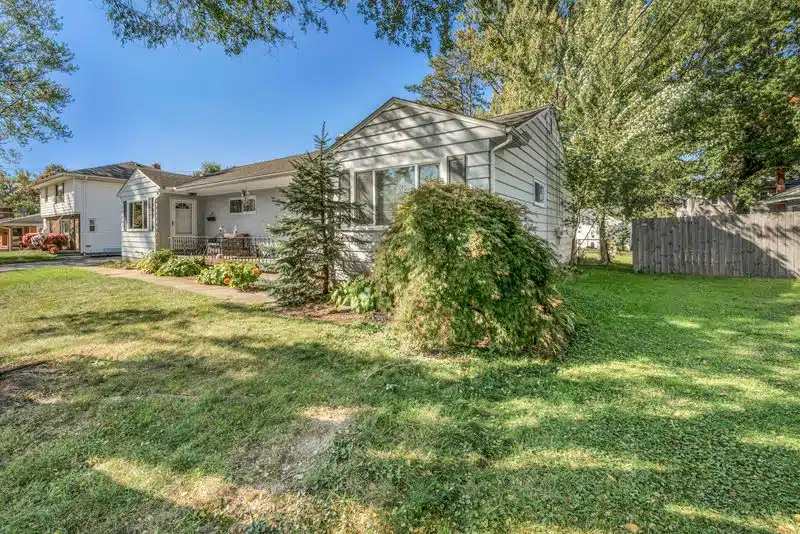
Bearden grew as a residential area when subdivisions such as Westwood, Forest Heights and Highland Hills filled in, and it was annexed into Knoxville in 1962, according to the Knoxville History Project. Age alone does not reveal how a house was vented. Later remodels and additions often matter as much as the original design.
The Knoxville History Project describes people who worked in Knoxville moving into new Bearden subdivisions as automobiles became common, and later subdivisions such as West Hills. That history explains why many houses in the area share an era. It says nothing about the drain and vent piping inside any one of them, which depends on the builder, the rules of the time, and each change made since.
The 2018 residential code lists several trap types as prohibited, including S-traps, drum traps, bell traps and traps with moving parts. An S-trap turns downward into the floor instead of running out to a vented drain arm. Some older houses may still contain one, and some may not. Looking under the sink settles it.
A kitchen island, a basement bathroom or a relocated vanity can move a fixture past its allowed distance from a vent. The code also calls for a vent rough-in wherever drains are roughed in for future fixtures. When symptoms started after a remodel, what changed during that project is a useful place to begin.
Open vent pipes through a roof are to end at least 6 inches above the roof under the 2018 code, and away from windows and air intakes. Leaves, nests or debris can partly block an open terminal. A related explainer on why a drain can smell like rotten eggs covers odor causes beyond venting.
The right fix depends on what the diagnosis finds. A blocked vent terminal may only need clearing. A fixture that sits too far from any vent may need a new vent connection or rerouted drain piping. In certain situations the residential code allows an air admittance valve, a one-way device that lets air in without letting sewer gas out.
When several fixtures show symptoms at once and the main drain is clear, the roof terminal is a logical suspect. Clearing it involves roof access and working down the stack, which is work for a professional with the right equipment and fall protection. Afterward, the fixtures can be run to confirm the gurgling has stopped.
Where a fixture was not vented correctly in the first place, the lasting correction is generally new vent piping or a rerouted drain that brings the trap within the allowed distance. In a finished house that can mean opening a wall or ceiling. The trade-off between a smaller local fix and a larger rework depends on the framing and on what is already in place.
An air admittance valve opens to let air into the drain when water flows and closes to keep gas in. The 2018 code calls for these valves to meet ASSE 1051 or ASSE 1050, to sit at least 4 inches above the branch or fixture drain they serve, to remain accessible, and to have air around them. Individual and branch valves are limited to fixtures on the same floor level, and at least one vent in each plumbing system is still to extend outdoors.
Bearden sits inside Knoxville city limits, so vent and drain alterations generally go through City of Knoxville Plans Review and Inspections at 865-215-4311. The city’s current codes page lists the 2024 residential and plumbing codes, so exact wording may differ from the 2018 sections quoted here. Addresses near the edges of the neighborhood are worth confirming, since unincorporated areas go to Knox County Codes Administration instead.
We work on drain lines in Bearden, West Knoxville and across Knox County, from drain cleaning and camera inspections to drain repiping and replacement. We have served the area since 2020.
We have 4,000+ reviews across our Google profiles and field 34 licensed plumbers (as of October 2026).
The points worth keeping: a vent system exists to protect the water seal in each trap. Gurgling, odor and slow drains can point to venting, and they can also point to a clog, so the cause deserves confirmation before pipe is replaced. Moving a fixture during a remodel can change whether it is vented correctly. And an air admittance valve is a code-recognized option in specific situations, while each plumbing system still calls for at least one vent to the outdoors.
Homeowners who hear a tub answer the toilet can call our team at (865) 352-9003.
For a time that fits the week, schedule your service online.
Neighborhood details are on our Bearden plumbing page. We serve Bearden, West Knoxville, Farragut, Karns, and communities across Knox County and East Tennessee.
Draining water can create suction in the shared line, and if the vent cannot supply air fast enough, air is pulled through the nearest trap. A partial clog downstream can cause the same sound. If the sound continues after the line is cleared, a venting problem becomes more likely, though a professional inspection is the way to confirm the cause.
It lets air move in and out of the drain piping so water seals in the traps stay in place. The 2018 residential code describes the goal as keeping trap seals from facing a pressure differential of more than 1 inch of water column.
It can. Poor venting can siphon water out of a trap, and an empty trap lets sewer gas into the room. A trap that has dried out from disuse causes the same smell, so running water into seldom-used drains is a simple first check.
No. The 2018 residential code lists S-traps among prohibited trap designs, along with drum traps, bell traps and traps with moving parts. Some older homes may still have one, and a look under the sink settles whether a given house does.
In specific situations, yes. The 2018 residential code permits them when they meet ASSE standards, sit at least 4 inches above the drain they serve, stay accessible and get air. At least one vent in each plumbing system is still to extend outdoors, and the local codes office confirms what applies.
It depends on trap size and slope. Table P3105.1 in the 2018 residential code allows 6 feet for a 1 1/2-inch trap and 8 feet for a 2-inch trap at a quarter inch of slope per foot. Toilets are not limited by that table.
Not necessarily. Age says little about the drain and vent piping inside a particular house, which depends on how it was built and what has changed since. Symptoms and inspection are better guides than the construction date.
City of Knoxville Plans Review and Inspections, at 865-215-4311, since Bearden has been inside city limits since 1962 according to the Knoxville History Project. Addresses near the neighborhood’s edges are worth confirming, because unincorporated areas go to Knox County Codes Administration.
It involves roof work and running equipment down the stack, which carries a fall risk. It is generally work for a professional. Confirming the main drain is clear first avoids a roof trip for a problem that sits below ground.



[company_name] is a licensed plumbing contractor in Knoxville, TN. We provide high-quality plumbing and repair services to the residents of the gre... Read More
If you need to replace or repair any issues with your home's drain and sewer system or are adding to your plumbing system, it's essential that you ... Read More

To quickly and easily fix a clogged kitchen sink drain, try using a plunger first, then a mixture of baking soda and vinegar, followed by hot water... Read More